5 min read
The Skilled Labour Gap: A Challenge for Heavy Industry

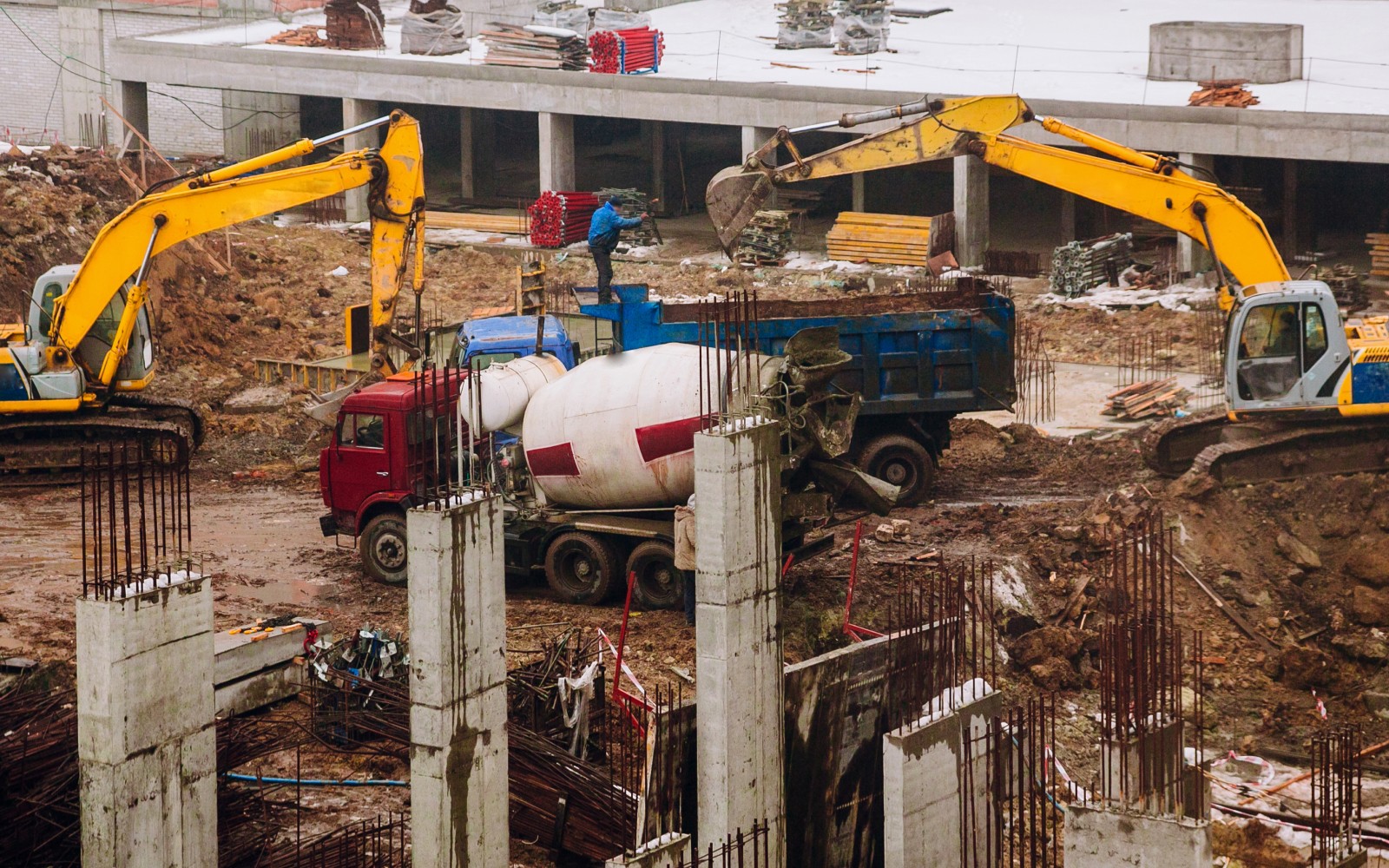
Heavy industries like mining and construction are the backbone of our economy, yet they face a persistent challenge: a widening skilled labour gap. High vacancy rates, an ageing workforce, and a shortage of new apprentices are creating significant operational hurdles. This isn't just an HR issue; it's a critical business risk that impacts productivity, project timelines, and overall economic stability. The demand for skilled workers continues to outpace supply, leaving companies struggling to fill essential roles.
This gap has far-reaching consequences. Deloitte Access Economics has estimated that labour shortages in these vital sectors could cost the Australian economy billions annually. For individual organisations, it means project delays, increased costs, and a constant battle to maintain operational efficiency and safety standards.
Addressing this challenge requires more than traditional recruitment efforts. It demands a strategic approach to workforce management, focusing on robust employee training programs, efficient onboarding, and continuous upskilling. By investing in the right tools and strategies, organisations can build a more resilient, competent, and compliant workforce, turning a significant challenge into a competitive advantage. This article explores the depth of the skilled labour crisis and outlines how modern solutions can help bridge the gap.
The Depth of the Labour Crisis
The skills shortage in Australia's heavy industries is not a new problem, but its intensity has reached a critical point. A combination of factors has created a perfect storm, putting immense pressure on sectors vital for national infrastructure and economic growth.
A Mining Industry Under Pressure
The Australian mining industry is grappling with exceptionally high vacancy rates, with some reports indicating as high as 20% for certain skilled roles. This shortage spans from engineers and geologists to essential tradespeople like electricians and diesel mechanics. The Minerals Council of Australia has highlighted the need for thousands of new skilled workers simply to meet current demand.
Compounding this issue is an ageing workforce. An estimated 25% of the mining workforce is over the age of 50 and approaching retirement. As these experienced professionals leave the industry, they take decades of knowledge with them, creating a vacuum that is proving difficult to fill. This demographic shift not only exacerbates the skills shortage but also poses a significant risk to knowledge transfer and operational continuity.
The Strain on Construction
The construction industry faces a similar predicament. The National Skills Commission has consistently reported high numbers of job vacancies for skilled trades. This labour shortage has a direct and measurable impact, leading to significant delays in major infrastructure projects. According to Infrastructure Australia, these delays could stall projects worth billions of dollars, affecting everything from public transport to essential utilities.
While there have been efforts to boost apprenticeship numbers, the rate of new apprentices entering the field is not keeping pace with the soaring demand. Furthermore, the National Centre for Vocational Education Research (NCVER) has reported a concerning decline in the completion rates for construction trade apprenticeships, indicating that simply attracting new talent isn't enough; retaining and developing them is equally crucial.
The Broader Economic Impact
The combined effect of these shortages in mining and construction has serious economic implications. Increased project costs, delayed resource extraction, and stalled infrastructure development ripple through the entire economy. To mitigate this, there has been an increased reliance on skilled migration through programs like the Temporary Skill Shortage (TSS) visa. While this provides a temporary solution, the long-term answer lies in developing a sustainable domestic talent pipeline.
This requires a fundamental shift in how we approach workforce management. Organisations must look beyond recruitment and focus on innovative employee training programs and continuous development. Investing in modern online training and leveraging powerful online learning platforms is no longer just an option—it's a necessity for survival and growth.
Bridging the Gap with Modern Workforce Management
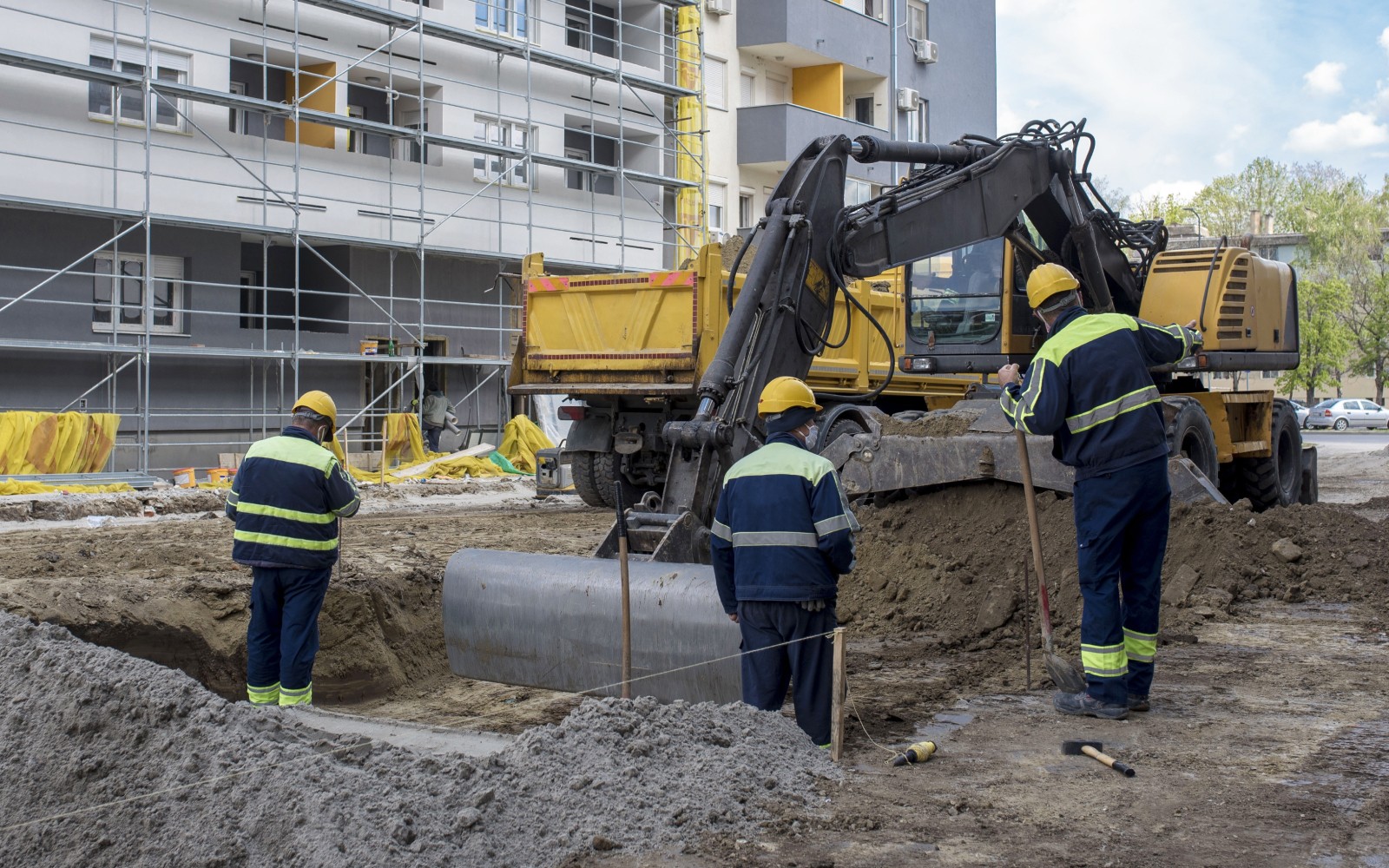
To navigate the complexities of the skilled labour shortage, heavy industry organisations must adopt a forward-thinking approach to training and development. The solution lies in harnessing technology to create connected, efficient, and powerful learning experiences that protect and empower the workforce. Modern Learning Management Systems (LMS) are evolving to meet these specific needs, offering more than just traditional course delivery.
Platforms like LAAMP are designed to address the unique challenges of high-risk, distributed environments. By integrating performance management with comprehensive online learning platforms, organisations can move from a reactive to a proactive stance on workforce competency.
Key features that make a difference include:
Digital Evidence Capture: In industries where compliance is paramount, having a robust audit trail is essential. Modern platforms use technologies like facial verification and rich media evidence capture for practical, task-based assessments. This ensures that training is not just completed but genuinely understood, providing a comprehensive compliance solution.
Offline Accessibility: For a workforce that is often remote and distributed, learning can't be confined to a desk. The ability to access training materials and assessments anywhere, anytime—even offline—is critical for ensuring continuous development and maintaining safety training standards across all sites.
Transferable Skills Passports: The modern workforce is mobile. A digital passport allows employees and contractors to carry their verified skills and credentials with them as they move between projects, teams, or even organisations. This streamlines onboarding, reduces redundant training, and allows for faster, more efficient mobilisation of talent.
Automated Workflows: Administrative burden is a significant drain on resources. Automating the assignment, delivery, and tracking of training allows administrators to manage large workforces with ease. This frees up time to focus on more strategic initiatives, such as identifying skills gaps and developing targeted employee training programs.
By embracing these technological advancements, organisations can create a more agile, skilled, and compliant workforce. This is not just about filling immediate gaps; it's about building a foundation for long-term success and resilience in an ever-changing industrial landscape.
Pave the Way for a Skilled Future
The skilled labour gap presents a formidable challenge, but it also offers a unique opportunity for transformation. By moving away from outdated, paper-based processes and embracing digital solutions, organisations in heavy industry can build a more robust and effective workforce management strategy. Investing in modern online course platforms and integrated training systems is the most effective way to upskill your people, ensure compliance, and protect your operations.
LAAMP is engineered to meet these challenges head-on. Our platform provides a comprehensive compliance solution that integrates seamlessly into your existing systems, enhancing your capacity to induct, train, and assess your workforce with unparalleled efficiency. Protect your people, empower your organisation, and turn your biggest challenge into your greatest strength.
Discover how LAAMP can help you bridge the skills gap and build a workforce ready for the future.

